



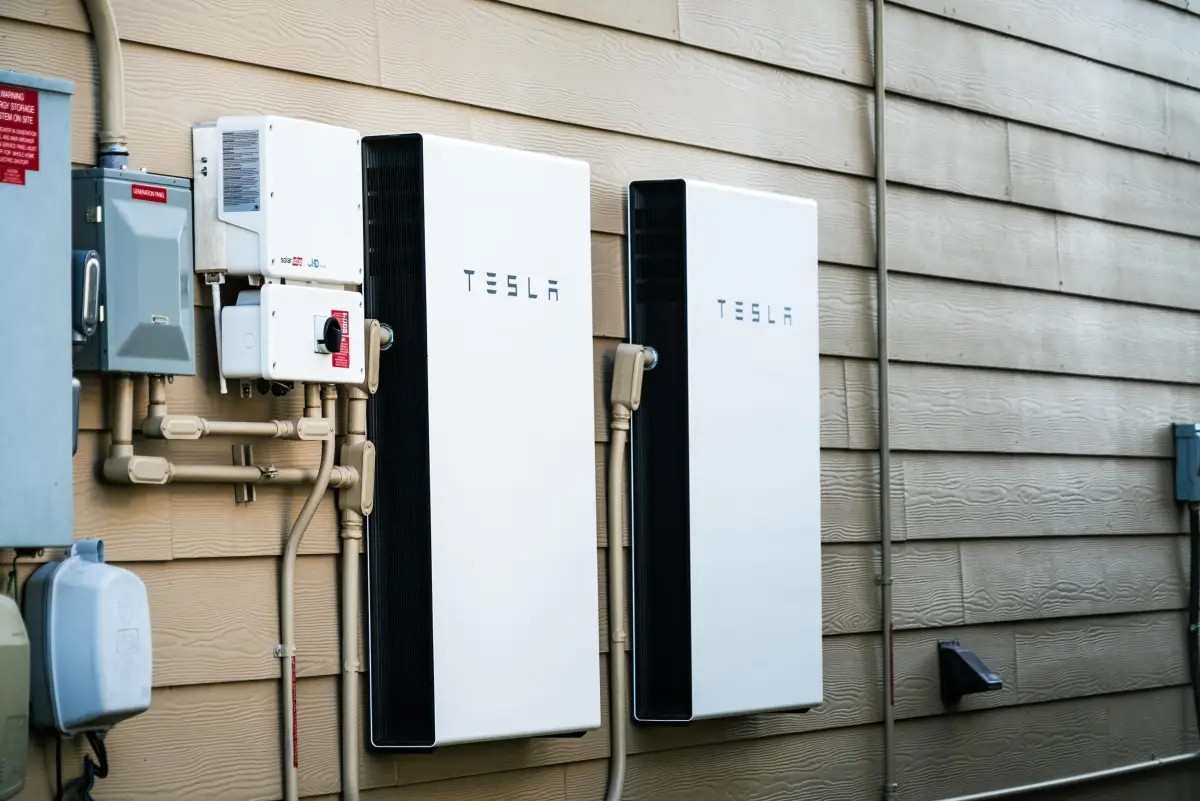
Tesla has officially become a licensed electricity provider in the United Kingdom, marking a significant expansion into the energy sector and setting up direct competition with companies like Octopus Energy. The move, confirmed by the Office of Gas and Electricity Markets, enables Tesla to sell electricity directly to homes and businesses – a capability it first tested in Texas with its “Tesla Electric” program in 2022.
From Batteries to Billing: Tesla’s Energy Evolution
Tesla’s foray into energy began in 2015 with the introduction of its Powerwall and Powerpack battery systems. These products allowed customers to store energy, but it wasn’t until the acquisition of SolarCity in 2016 that Tesla began aggressively building out its energy division.
The Texas launch in 2022 demonstrated Tesla’s ambition: customers with Powerwall batteries can now participate in a virtual power plant, effectively selling excess electricity back to the grid through Tesla’s platform. This creates a two-way energy flow, where Tesla manages supply and demand while incentivizing homeowners to generate and store their own power.
Implications for the UK Energy Landscape
This development raises several key questions about the future of energy retail. The UK market, traditionally dominated by large incumbents, is now facing disruption from a tech-focused competitor with a strong brand and an integrated hardware-software ecosystem. Tesla’s model leverages existing customer relationships (EV owners, solar panel purchasers) and a unique ability to manage distributed energy resources.
It’s not yet clear how Tesla will price its electricity or whether it will offer bundled services (e.g., EV charging, solar installation, battery storage). However, the company’s entry signals a growing trend toward decentralized energy systems where consumers play a more active role in production and distribution.
Tesla’s expansion into the UK energy market isn’t just about selling electricity; it’s about building a complete energy ecosystem that integrates vehicles, homes, and the grid, challenging traditional utility models and paving the way for a more sustainable energy future.


