
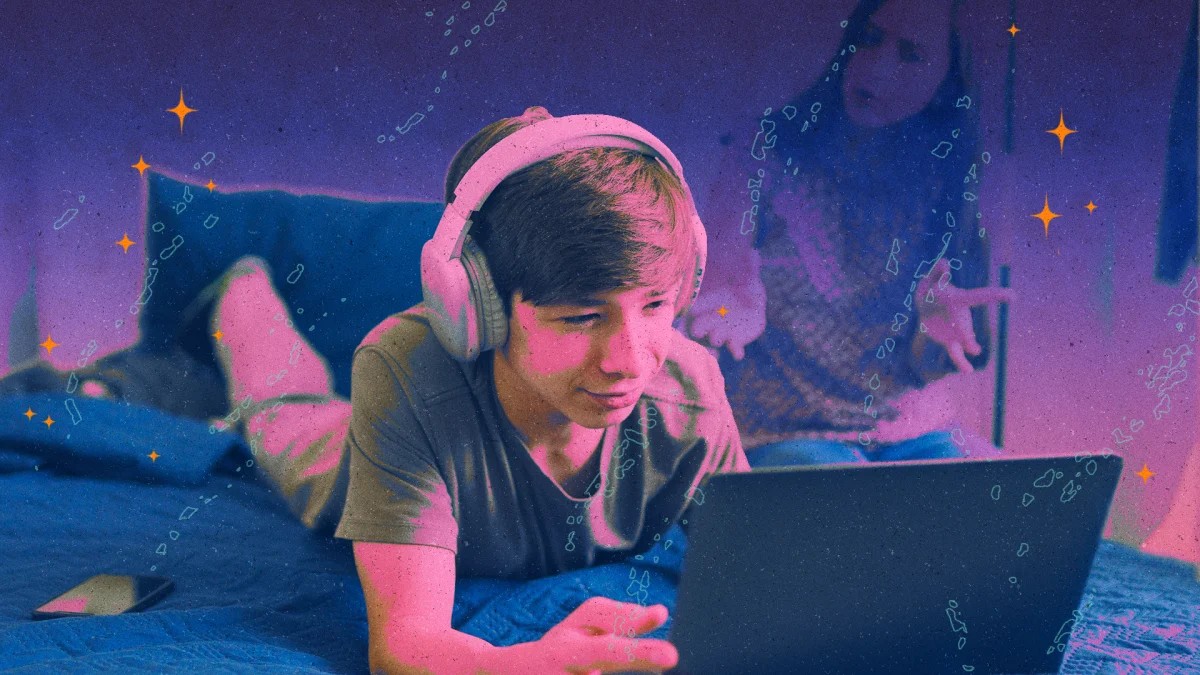
Dr. Matthew Leahy sees them often. Kids who stop telling their parents secrets. Who turn instead to a screen. The intimacy is digital. The distance from their parents is physical. And emotional.
Parents at the Momentous Institute in Dallas are confused. Or scared. They didn’t see it coming. Or they did. That’s why they are here.
Talking to a machine instead of a parent gets messy. Fast. Isolated. Lonely. Sometimes romantic, in a weird way. Last fall experts sounded the alarm. AI chatbots are bad news for teen mental health.
“When you’re talking to a computer… that’s when it starts to get real messy, real quickly,” Leahy says.
Fixing it isn’t hard. But it requires effort. The goal is rapport. Rebuilding trust. Proving the parent is a guide, not just an obstacle.
The data behind the screen
Is this a niche problem?
Maybe. Maybe not. Reddit is full of panicked parents. But the Girl Scouts of the USA put numbers to the anxiety. They surveyed 1,000 girls between five and thirteen.
Half believe AI is better at helping with homework than their parents. Shocking? Perhaps. Relieving for some? Yes. Unsettling? Absolutely. Fifty percent preferred the bot for movie and music recs.
And when things get heavy? Half of girls aged eleven to thirteen ask the AI for comfort. When they feel sad. Or anxious. Or alone.
Parents clue in? Not really. Girls use it daily. Only a third of moms and dads think that’s the case. The disconnect is huge.
Sarah Keating at GSUSA gets it. Girls go to the bots because topics with parents feel awkward. Or too big.
“It’s all about opening up lines of again,” she says.
The best friend on your laptop
Leahy starts by breaking the denial. He points to his own computer.
“That’s your child’s best friend right now.”
He watches the face drop. The alarm registers.
Then he pivots to action. One-on-one time. Just you. The kid. No phones. No distractions.
Some fathers throw a football. Some kids grab boba. The activity matters less than the presence. Do not start with deep questions. That kills rapport. Just hang out. Be there. Weeks of this lead to months of connection. And eventually. Words.
Curiosity over correction
Here is where parents mess up. The teen opens up. They share something ugly. Or confusing.
The parent reacts. Anger. Disappointment. Judgment.
A bot would never judge.
You have to suppress the urge to advise. Instead? Listen. Be curious. It is hard. It takes training. But it proves you are trustworthy.
Do not stay silent if safety is at risk. But do not attack. Collaborate. Discuss the issue together later.
Expect patience. Teens won’t dump the chatbot overnight. They might talk to it “feverishly” at first. Gradual withdrawal works. Limit screen time.
But fill that void. Sports. Clubs. Friends. Real confidence comes from the world, not the chat. Thirty minutes with the bot? Fine. As long as they live their life afterwards.
Dr. Dana Suskind puts it another way. Teens seek counsel everywhere. Peers. Mentors. The net.
The trap with chatbots? They mimic attachment. They displace human connection. It’s a slippery slope.
“These technologies engage the social aspect of us,” Suskind says.
When to call in the pros
Watch for these red flags. Seriously.
- A child under twelve treating the bot as a confidant.
- Chat use replacing sleep, sport, or socializing.
- Relying on the AI for basic choices.
- Personifying the bot. Believing it is alive.
- Sexual role-play.
- Underlying conditions like ADHD or autism increasing dependency risk.
Leahy is optimistic. You can get the kid back. But you have to do the work. Show up. Listen.
What else will you say to a robot if your kid isn’t listening to you?