





















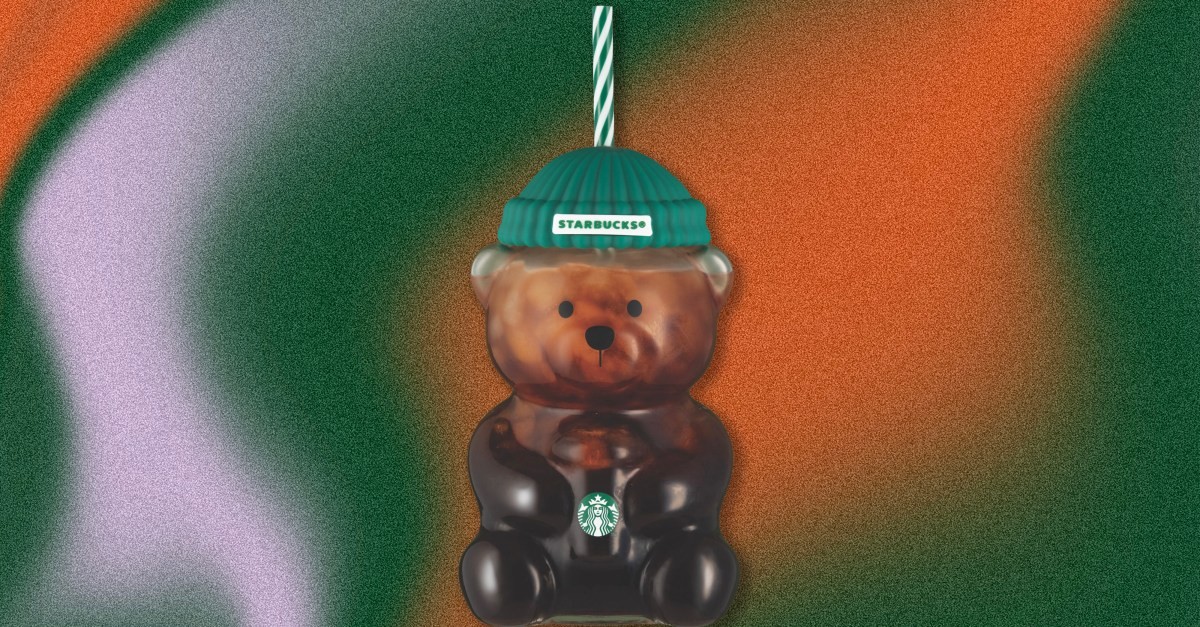
The viral frenzy over limited-edition Starbucks “Bearista” cups—and similar low-cost, high-demand items like Labubus toys and Trader Joe’s tote bags—reveals a shift in how young consumers define status. It’s no longer about how much you spend, but how well you play the game of scarcity. These seemingly trivial items have become unlikely status symbols, driving competition, even conflict, despite their modest price tags.
The Rise of Affordable Exclusivity
Historically, status was signaled by luxury goods: expensive cars, designer clothing, and exclusive experiences. But today’s economic realities—and the power of social media—have created a new dynamic. For Gen Z, scarcity itself is the luxury. The thrill isn’t in the purchase price but in the hunt, the dedication, and the bragging rights that come with securing a hard-to-get item.
This trend isn’t entirely new. Cabbage Patch Kids and Beanie Babies once sparked similar frenzies, but the scale and speed of today’s viral cycles, fueled by TikTok and other platforms, are unprecedented. The limited supply and high demand create an artificial scarcity that elevates these items beyond their monetary value.
The Economics of Scarcity
Companies often leverage scarcity as a marketing tactic, using limited-edition drops to boost sales. But sometimes, demand simply outstrips supply unexpectedly. This shortage fuels social media hype, turning the act of acquiring the item into an experience itself.
“When we think about products of scarcity, there’s typically two ways that we pay for them: money or our time,” explains Tara Sinclair, head of the economics department at George Washington University. “Spending time scouring a store is not so different from spending your money on it because you could, otherwise, potentially be working and earning money during that time.” The time spent waiting in line or relentlessly refreshing online stores isn’t wasted; it’s part of the “flex.”
Beyond Economics: Cultural Capital
The obsession with these items isn’t solely about affordability. It’s also about cultural capital —possessing knowledge and taste that sets you apart. As traditional luxury goods become mainstream, consumers seek more subtle, original ways to signal status.
“Mixing and matching high and low is a very clever way to stand out and show that you’re even superior to engaging in all the traditional high-status products, and you can dictate your own fashion,” says Silvia Bellezza, an associate professor of business at Columbia University. This explains why celebrities are now seen carrying Trader Joe’s totes: it’s a deliberate signal of being “in the know.”
This phenomenon extends to horizontal signaling —owning items that are only recognized and understood by a specific group. A Trader Joe’s tote isn’t just a grocery bag to those in the loop; it’s a fashion statement.
A Reflection of Economic Anxiety
The rise of these affordable status symbols may also reflect broader economic trends. In an era of job insecurity and rising costs, splurging on designer goods feels less relevant. Instead, consumers find validation in securing the rare, attainable prize. This echoes the “lipstick effect”—a theory that during recessions, people shift spending from big-ticket items to small indulgences.
However, the pursuit of these items isn’t just about coping with financial hardship. It’s about playing the game, documenting the hunt, and earning social clout. In a world where attention is currency, the struggle to acquire these objects becomes its own reward.
Ultimately, Gen Z’s obsession with affordable status symbols is a sign of changing times. It’s a blend of economic pragmatism, social signaling, and a willingness to embrace the absurdity of modern consumer culture. The next time you see someone bragging about a $30 tumbler, remember: it’s not just about the cup. It’s about winning.