



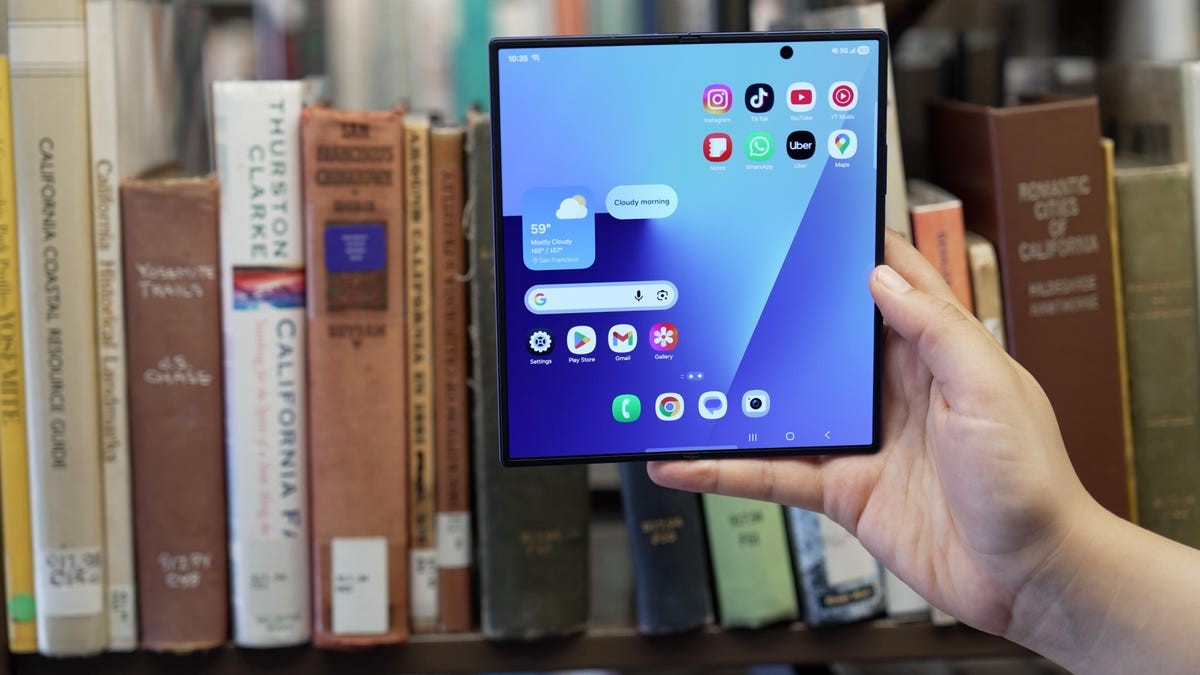
Samsung is actively developing a wider variant of its Galaxy Z Fold foldable phone, according to internal software code recently discovered within the latest One UI 9 build. The evidence, first reported by Android Authority, suggests that a new foldable device – internally codenamed “H8” – is in the works.
Evidence from Samsung’s Software
Data scraped from Samsung’s Android APK files reveals animations for light and dark modes specifically designed for a new foldable phone. This is not the first hint; previous reports linked the “H8” codename to model number SM-F971U, which has long been speculated as a wide Galaxy Z Fold. While software references do not guarantee a final product, they provide strong insight into what Samsung is testing internally.
Design Expectations
Korean tech news outlet Etnews reported earlier that Samsung internally refers to this device as the “Wide Fold”. The expected design departs from the current Z Fold’s elongated form, aiming for a squarer, more boxy aesthetic with a 4:3 aspect ratio. If released, this phone is projected to feature a 7.6-inch internal screen and a 5.4-inch external display.
Context: Competition and Innovation
The timing is strategic. Samsung’s move comes as Apple prepares to launch its first foldable iPhone in 2026, intensifying competition in the premium foldable market. Samsung has also recently released the Galaxy Z Trifold, further demonstrating the company’s commitment to expanding its foldable lineup. The wider form factor could differentiate Samsung’s offering and cater to users who prefer a more tablet-like experience when unfolded.
What’s Next?
To date, no leaked photos or concrete visual assets of the Wide Fold have surfaced. The current evidence relies solely on software code and previous industry reports. Samsung did not respond to requests for comment, but the strength of the software evidence suggests that an official announcement could be forthcoming.
The emergence of the Wide Fold signals Samsung’s determination to stay ahead in the foldable space, even as competitors like Apple enter the market. The device’s potential design shift indicates a willingness to experiment with form factors beyond the current mainstream approach.


