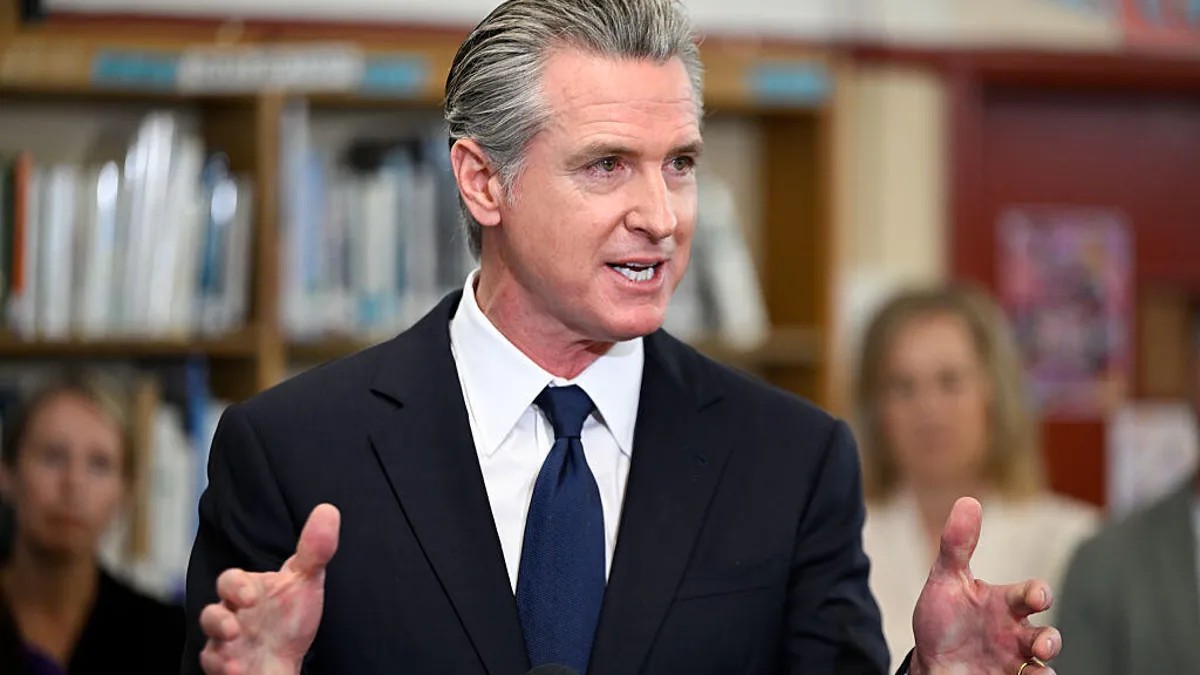
California Governor Gavin Newsom has issued an executive order compelling artificial intelligence (AI) companies working with the state to adopt strict safety and privacy protocols. This move establishes California as the first major jurisdiction to enforce such measures directly on AI vendors.
Context and Rationale
The order aims to mitigate risks associated with AI misuse – including consumer harm, privacy violations, and unchecked exploitation of the technology. Newsom’s office emphasized that these guidelines will ensure responsible development and deployment of AI systems used in state contracts. This action comes at a time when AI’s rapid expansion raises concerns about its potential for abuse.
The timing is particularly notable given the ongoing federal debate over AI regulation. The Trump administration has argued against state-level interference, claiming that a fragmented regulatory landscape would hinder U.S. competitiveness in the global AI race.
Key Provisions and Implications
The executive order requires AI companies to:
- Develop and implement robust safety measures to prevent harm.
- Establish clear privacy policies to protect consumer data.
- Adhere to rigorous standards in the design and operation of their AI systems.
This could significantly impact how AI is deployed in California, forcing companies to prioritize ethical considerations alongside profit. The move also sets a precedent for other states considering similar regulations.
Federal vs. State Approaches
The White House recently unveiled its own AI policy framework, addressing issues like job displacement, copyright infringement, and the protection of vulnerable populations. However, critics argue that the federal approach is too lenient, allowing for continued unchecked growth in the AI industry. Newsom’s order represents a more aggressive stance, asserting state authority to regulate AI directly.
Industry Response and Legal Precedents
The policy arrives amidst heightened scrutiny of AI practices. Notably, Ziff Davis (parent company of CNET) filed a lawsuit against OpenAI in 2025, alleging copyright infringement in its AI training data. This demonstrates growing legal challenges to AI’s reliance on copyrighted material and the need for clearer intellectual property protections.
The California executive order signals a shift toward greater accountability in the AI sector. By imposing mandatory standards on state contractors, Newsom is setting a clear expectation: AI innovation must not come at the expense of public safety and privacy.