



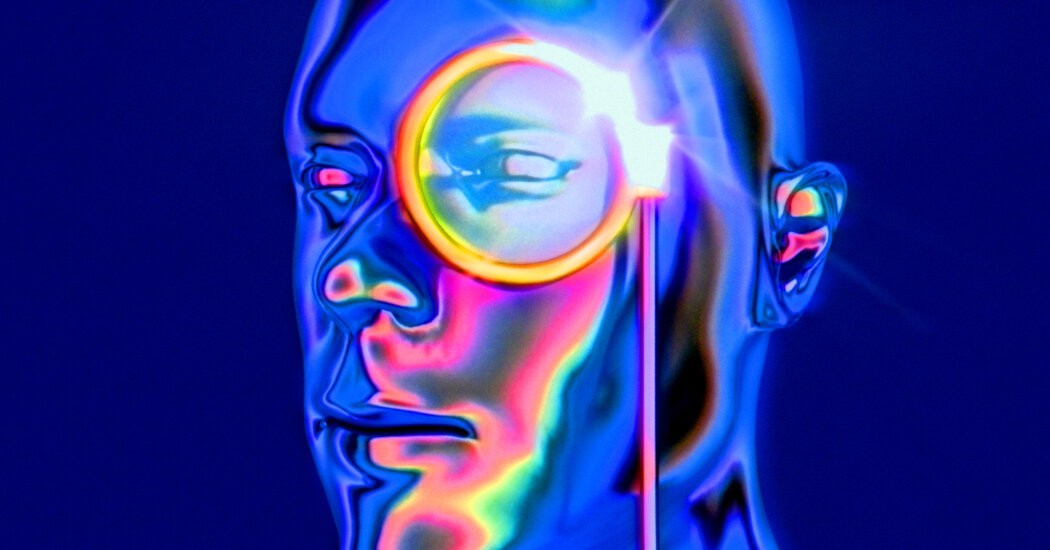
The ability to discern quality in art, design, and even everyday choices isn’t something that can be taught to an algorithm, according to industry professionals. While artificial intelligence tools are rapidly advancing, human “taste” – a blend of experience, cultural awareness, and subjective preference – remains uniquely human.
The Rise of “Taste” as a Skill
Jamey Gannon, a brand designer who runs online courses for tech companies like Google, Meta, and Coinbase, argues that AI can be used by creative professionals, but it cannot replace their judgment. Her course, “Learn to Control A.I. Like a Creative Director,” focuses on integrating AI tools into design processes, but only for those willing to cultivate their own aesthetic sense.
“If you watch every Wes Anderson movie, spend an hour a day on Pinterest and work on your personal style, in a year you will come out with better taste,” Gannon said.
This suggests that developing taste isn’t about technical skill, but about immersing oneself in the world of art, design, and culture.
Why Taste Matters Now
Greg Brockman, OpenAI’s president, recently stated on X (formerly Twitter) that “taste is a new core skill.” This declaration is notable given the tech industry’s tendency to prioritize quantifiable metrics over subjective qualities. The implication is that as AI-generated content floods the market, the ability to distinguish between good and bad design, or genuine creativity versus algorithmic imitation, will become increasingly valuable.
This shift in perspective stems from the realization that AI can produce outputs rapidly, but lacks the contextual understanding necessary to make truly informed aesthetic choices. Taste relies on nuance, cultural reference points, and personal sensibility—factors that remain beyond AI’s current capabilities.
The Unquantifiable Element
The concept of “taste” itself is complex. Is it innate? Learned? A reflection of social status? Regardless, it’s clear that while AI can mimic styles and patterns, it cannot replicate the human ability to synthesize experience into meaningful aesthetic judgment.
This distinction suggests that the future of creative work will depend not just on mastering AI tools, but also on cultivating a deep, personal understanding of what makes something truly good. Without that foundation, the tools themselves are useless.


