Apple plans to release new iPhone models at least twice a year beginning in 2026, breaking from its traditional single-cycle launch schedule. This shift, first reported by Bloomberg’s Mark Gurman, will spread out the company’s product releases and marketing efforts throughout the year, rather than concentrating them into a single fall event.
Splitting the Lineup: High-End vs. Budget Models
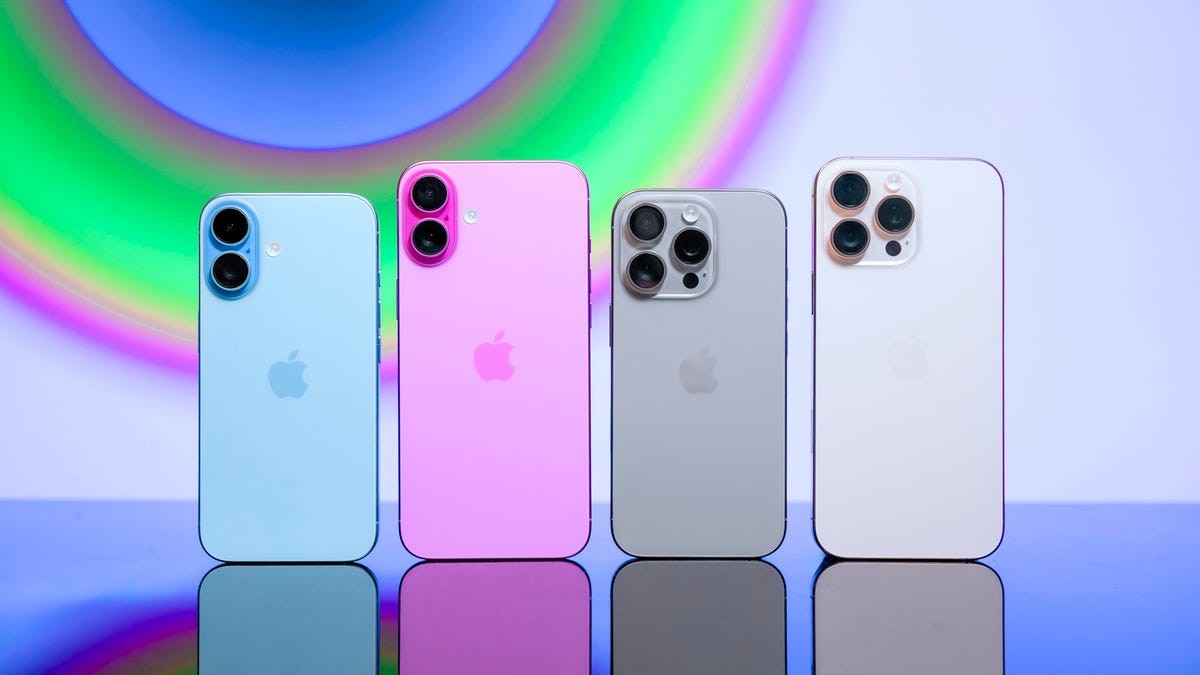
The strategy involves separating the launch of premium and more affordable iPhone models. High-end iPhones, including the anticipated folding iPhone 18, will continue to debut in the fall. However, base-level models, potentially branded as “iPhone 18e” or “iPhone Air,” will be held back for a spring release roughly six months later.
This division is not accidental. Gurman reported that Apple deliberately avoided the “17” numbering for the current iPhone Air model to keep it separate from the standard annual release cycle. This is a deliberate attempt to avoid confusion and allow for more sustained marketing momentum.
Why the Change?
The move is designed to stabilize revenue streams and reduce dependence on a single, massive iPhone launch. By releasing products in both fall and spring, Apple can better distribute its marketing budget and engineering resources. This also allows the company to capitalize on two peak sales periods instead of one.
The timing of this announcement is notable. Rumors of a split release schedule have circulated before the launch of the iPhone 17 and Air models, but Gurman’s report provides the most detailed confirmation yet. Apple did not comment when contacted for verification.
What This Means for Consumers
Expect a more consistent flow of new iPhone products. The separation of high-end and base models could also influence pricing strategies. Consumers may have more options at different price points throughout the year.
By diversifying the release schedule, Apple is aiming for sustained engagement rather than relying on the hype of a single annual event. This shift will likely reshape how consumers anticipate and purchase Apple’s flagship product.