
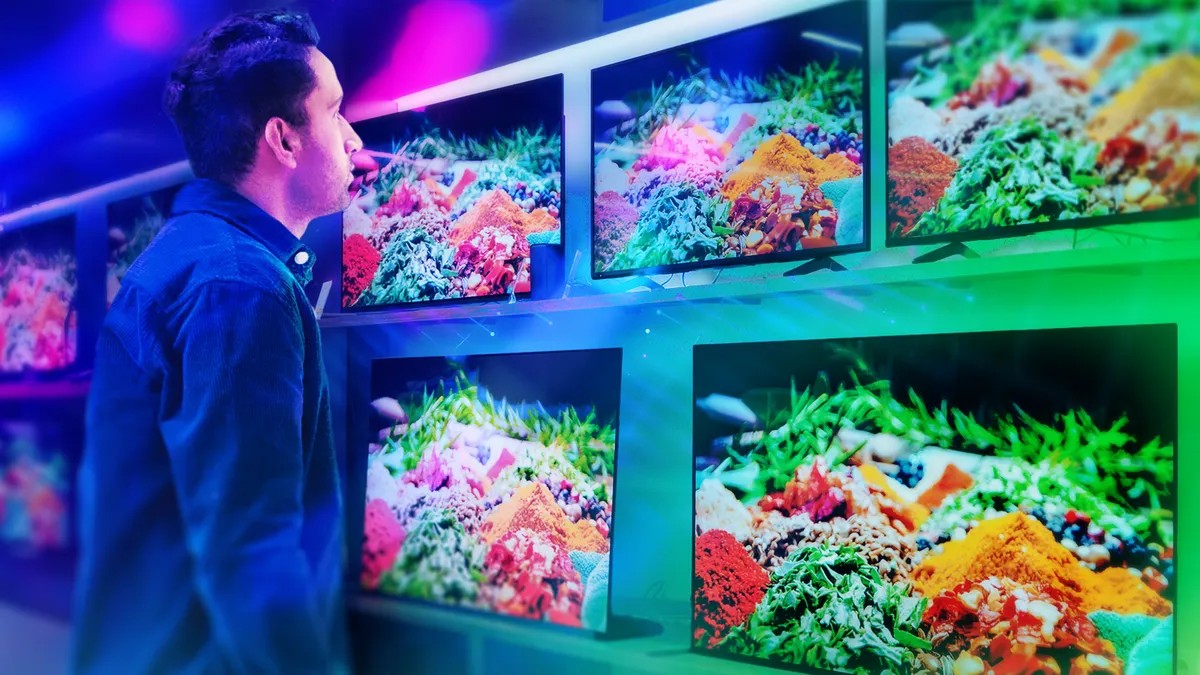
With the big game fast approaching, many US consumers are planning to upgrade their televisions. New data from CNET’s TechPulse survey reveals that adults are willing to spend an average of $1,177 on a new TV, but smart shopping can significantly reduce that cost.
Why the Investment?
The driving factors behind this spending include the desire for larger screens – nearly 40% of adults prioritize a bigger picture – and high-quality visuals. However, over 42% of shoppers acknowledge they’ll have to compromise on features to stay within budget. This trend reflects broader consumer behavior: people want premium experiences, but financial realities often dictate trade-offs.
Current Deals and Top Picks
Despite high average spending, deals are available. CNET’s TV editor, Ty Pendlebury, confirmed that he would spend the average amount, but savings are possible. For example:
- LG C4 : Currently $400 off, bringing the price down to $1,600.
- Samsung S95F : Also $400 off, now $1,900.
- Onn 75-inch 4K LED Roku TV : A budget-friendly option at $428.
CNET’s top recommendations span various price points:
- Best Overall : Samsung S90F OLED TV
- Best Budget : Hisense QD7QF
- Best Middle Tier : TCL QM6K
- Best for Features : Roku Pro Series TV
The Bigger Screen Demand
Over 37% of US adults want a larger screen, with half of those aiming for at least 65 inches. Upgrading can make a significant difference, especially in larger rooms where smaller screens become inadequate. Experts recommend considering a size larger than initially planned, as preferences tend to shift over time.
Picture Quality: Contrast is Key
While many prioritize high-quality pictures (72% of respondents), understanding what makes a picture good is crucial. According to Pendlebury, contrast is the most noticeable factor. Brightness catches the eye in stores, but in a home environment, the ability to display both deep blacks and vibrant highlights is what truly stands out.
Entry-level LCD TVs with basic backlighting cost under $500, while mid-range models with mini-LED backlights run around $1,000. OLED TVs, generally costing more, still offer the best overall picture quality for the price.
Smart Features and AI: What Matters Most?
Nearly 42% of consumers want smart features like voice control and smartphone integration. However, surprisingly, only 12% consider AI integration essential. Most shoppers prioritize access to streaming apps (47% ), warranties (45% ), and wired connectivity (45% ). While AI is convenient, it doesn’t yet rank high on the must-have list for most TV buyers.
Three Shopping Tips
- Budget First : Set a realistic spending limit and stick to it. Even entry-level TVs can deliver impressive quality for under $300.
- Measure Carefully : Ensure the new TV physically fits in your space. Overlooking dimensions can lead to installation headaches.
- Prioritize Features : Focus on the features you’ll actually use. Gamers and movie enthusiasts should prioritize resolution and connectivity, while casual viewers may only need basic smart features.
Conclusion: Americans are willing to invest in new TVs, but strategic shopping and understanding key features can unlock substantial savings. Whether you upgrade now or stick with your current set, ensuring proper setup and settings will maximize your viewing experience.