
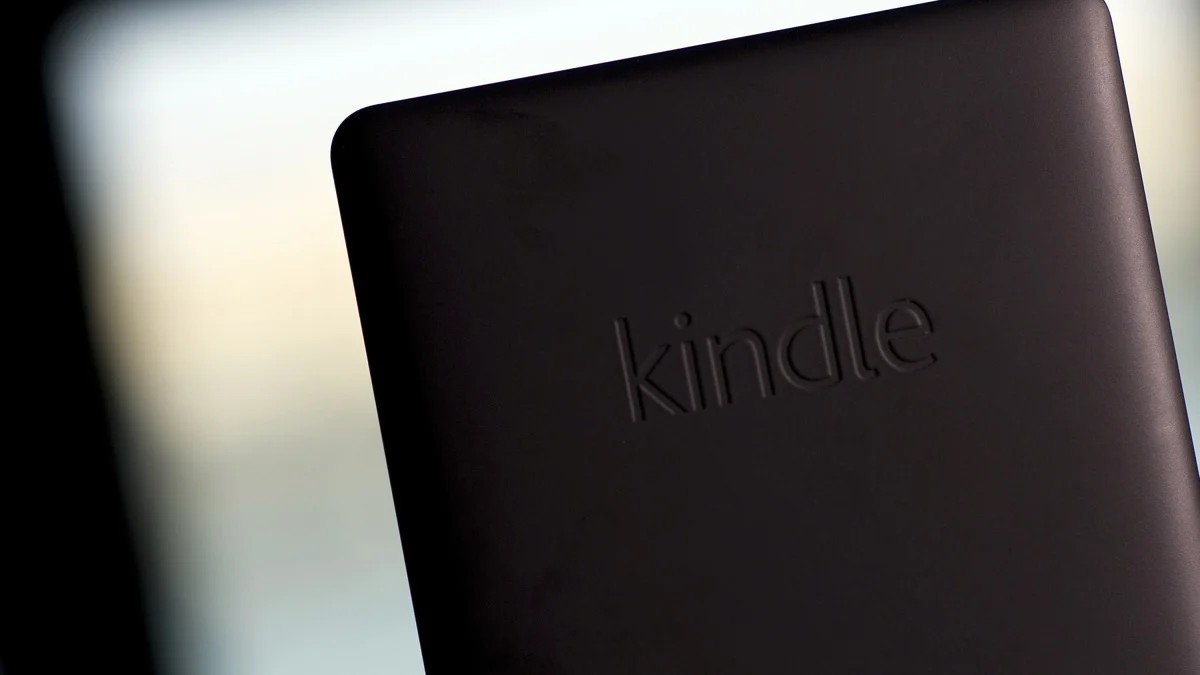
Amazon is facing significant criticism from its long-term user base following the announcement that support for Kindle devices released in 2012 or earlier will officially end on May 20.
The news has ignited a wave of frustration across social media platforms, ranging from panic over device functionality to accusations of planned obsolescence.
The Core of the Controversy
The backlash is not driven by a total loss of hardware functionality, but rather by the withdrawal of integrated services. While the devices will not “die” immediately, the end of official support means users will lose seamless access to the Kindle Store and certain cloud-based features.
This distinction is critical: for many, the frustration stems from the fact that these decade-old devices still perform their primary function—displaying text—perfectly well. This has led to several key grievances:
- Perceived Planned Obsolescence: Users on platforms like Reddit and X (formerly Twitter) have labeled the move a “money grab,” arguing that forcing perfectly functional hardware into obsolescence contributes to unnecessary e-waste.
- Loss of Ergonomics: A vocal segment of “Kindle loyalists” prefers older models specifically for their physical page-turn buttons and durable builds, which they find superior to modern touchscreen-only interfaces.
- The “Value” Gap: While Amazon is offering trade-in discounts toward newer models, many users find it difficult to justify the cost of replacing a device that has served them reliably for over a decade.
Technical Impact: Who is Most Affected?
While some users feared their libraries would vanish, the reality is more nuanced. According to e-reader experts, the impact is not a total blackout but a reduction in convenience.
“The affected Kindles aren’t necessarily being deactivated; service will just be limited. You can still read the books you have already downloaded to your Kindle per usual… Who’s really losing out are Libby users, who have benefited from the ‘Send to Kindle’ feature.”
The most significant disruption will be felt by users who rely on Libby (the library lending service) and the “Send to Kindle” ecosystem, which allows for easy, wireless book transfers. Without official support, these automated, seamless workflows will become much more difficult to maintain.
Workarounds and the Rise of Alternatives
In response to the news, the tech-savvy community has already begun sharing methods to bypass Amazon’s restrictions. Users are looking toward:
– Jailbreaking devices to regain control over software.
– Sideloading content via USB.
– Using Calibre, a popular open-source e-book management tool, to manually transfer files.
Beyond technical workarounds, there is a growing sentiment of brand fatigue. Some longtime Amazon customers are now openly discussing switching to competitors like Kobo, suggesting that the move may cost Amazon more in long-term customer loyalty than it gains in immediate hardware sales.
Conclusion
By ending support for legacy hardware, Amazon is prioritizing software ecosystem integration over device longevity, a move that highlights the growing tension between consumer sustainability and corporate technology cycles.