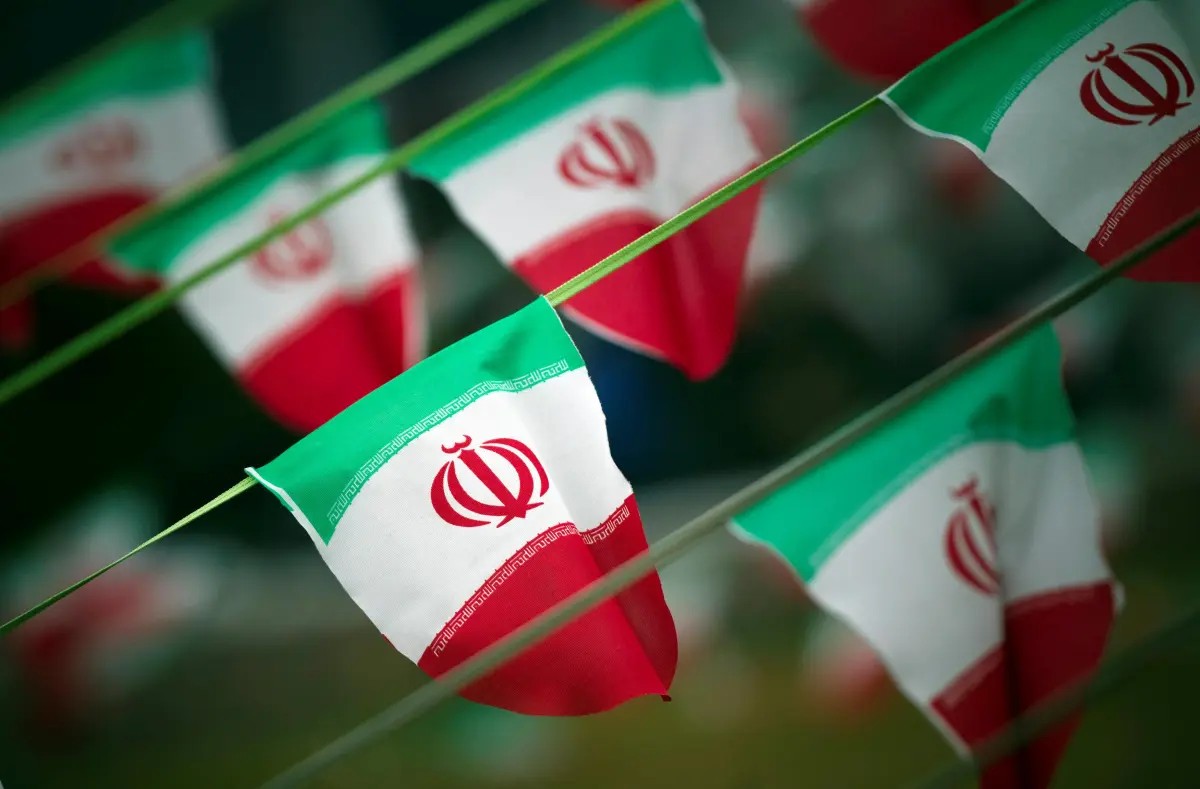
U.S. intelligence and security agencies have issued a high-level joint advisory warning that Iranian-backed hackers are intensifying their efforts to target American critical infrastructure. The goal of these operations, according to the FBI, NSA, CISA, and the Department of Energy, is to cause widespread disruption across essential domestic services.
Targeted Sectors and Methods of Attack
While the specific organizations targeted have not been named, the advisory highlights a broad scope of vulnerability. The hackers are focusing on internet-facing systems within several vital sectors:
– Water and wastewater utilities
– Energy production and distribution
– Local government facilities
The attackers are specifically targeting Programmable Logic Controllers (PLCs) and Supervisory Control and Data Acquisition (SCADA) systems. These technologies are the “brains” of industrial operations, used to manage and control physical machinery. By infiltrating these systems, hackers have demonstrated the ability to:
* Manipulate data: Altering the information displayed on monitoring devices to deceive operators.
* Corrupt configurations: Maliciously interacting with project files that contain the essential settings required for industrial equipment to function safely and correctly.
These breaches are not merely theoretical; officials confirmed that the attacks have already resulted in financial losses and operational disruptions within the United States.
A Pattern of Escalation
This surge in cyber activity marks a significant shift in Iranian tactics. Analysts suggest this escalation is a direct response to the heightened geopolitical tensions following the outbreak of war between the U.S.-Israel alliance and Iran on February 28.
The cyber warfare appears to be closely tied to broader diplomatic and military friction. This was underscored by recent statements from President Donald Trump, who issued an ultimatum to Iran regarding the opening of the Strait of Hormuz—a critical global shipping chokepoint—threatening severe consequences if a deal is not reached.
The Rise of “Handala”
A key player in this digital campaign is a group known as Handala, an Iranian government-backed hacking collective. The group has been linked to several high-profile and highly sophisticated breaches:
* Stryker Breach: The group targeted the medical technology giant, using the company’s own security tools to remotely wipe thousands of employee devices.
* FBI Data Leak: The FBI recently attributed the leak of partial private email contents belonging to FBI Director Kash Patel to the Handala group.
The shift from data theft to the manipulation of industrial control systems represents a move toward “kinetic” cyber warfare, where digital actions are intended to cause physical-world consequences.
Conclusion
The targeting of SCADA and PLC systems indicates that Iranian hackers are moving beyond simple espionage toward active sabotage of American life-support systems. As these groups become more sophisticated, the security of essential utilities remains a primary national security concern.