For half a century, Apple has reshaped the tech world, not just by building computers but by defining how we interact with them. Looking back at 50 years of innovation, it’s not about every model released, but the landmark products that fundamentally changed the game. While Apple’s history is vast, certain creations stand out – not just for their technical specs but for their cultural impact. Here are 13 of those pivotal products, as highlighted by CNET’s coverage over the years.
The Early Foundations: From Garage to Global
Apple’s story began in a garage, but its first steps toward dominance weren’t about sleek design, but raw functionality. The Apple I (1976) and its successor, the Apple II (1977), weren’t just computers; they were the first machines to bring personal computing into homes. The Apple II, in particular, was a turning point, boosted by the arrival of VisiCalc, the first spreadsheet program for personal computers. This single app transformed the Apple II from a hobbyist’s toy into a legitimate business tool.
The significance? Apple didn’t just build hardware; it created an ecosystem. Businesses and individuals alike saw a clear use case, proving that personal computers weren’t just possible, but essential.
The Macintosh Revolution and the Rise of Portability
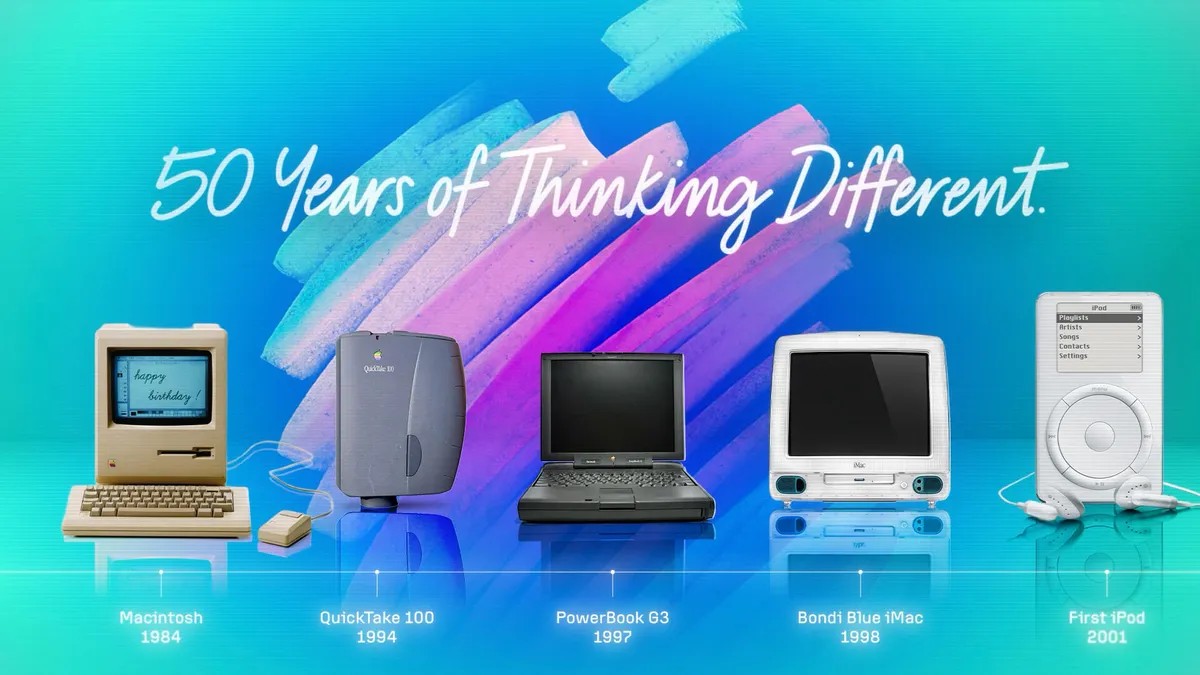
The original Macintosh (1984) was a radical departure from the command-line interfaces of its time. Introducing the mouse and a graphical user interface, it made computing accessible to anyone. Although ahead of its time, the Macintosh laid the groundwork for modern operating systems.
Before long, portability became key. The original Macintosh was clunky to carry, but Apple soon refined the concept. The PowerBook line (1991) truly unshackled users from their desks, with its innovative design featuring palm rests and a trackball. These early laptops weren’t just about shrinking computers; they were about changing where people could work.
The Reinvention Under Jobs: iMac, iPod, and iPhone
The late 1990s nearly broke Apple. But Steve Jobs’s return in 1997 marked a new era. The iMac (1998) wasn’t just a computer; it was a statement. Its translucent, colorful design stood out in a beige world, signaling that Apple wasn’t just about specs, but about style and innovation.
Then came the iPod (2001), which redefined how we listen to music. Combining sleek hardware with the rise of digital music platforms, the iPod didn’t just sell devices; it sold an experience. The iconic white earbuds became a cultural symbol, instantly recognizable as Apple’s.
But Apple’s greatest gamble was the original iPhone (2007). It wasn’t just another smartphone; it was a pocket-sized computer, music player, and internet communicator all in one. Though not an immediate success, the iPhone’s impact was seismic, laying the foundation for the mobile-first world we live in today.
Beyond the Core: Apple TV, MacBook Air, and Modern Innovations
Apple didn’t stop at computers and music. The Apple TV (2007) pioneered streaming entertainment, though it struggled to gain mainstream traction initially. The MacBook Air (2008), famously delivered in an envelope, set a new standard for thin-and-light laptops.
In more recent years, Apple continued to push boundaries. The Apple Watch (2015) wasn’t just a smartwatch; it was a new category of wearable technology, evolving from a “toy” into a powerful health and fitness companion. The AirPods (2016) eliminated headphone jacks and redefined wireless audio, becoming ubiquitous in the process.
Finally, the M1-powered MacBooks (2020) marked Apple’s second major processor transition, proving that in-house silicon could outperform industry standards. The M-series chips weren’t just about faster processing; they were about reclaiming control over Apple’s entire hardware ecosystem.
The Legacy Continues
Apple’s success isn’t about inventing entirely new concepts, but about refining and integrating them into seamless, user-friendly products. Over 50 years, the company has consistently looked ahead, anticipating not just what people want, but what they will want. The 13 products above represent not just milestones in Apple’s history, but turning points in the evolution of personal technology.