
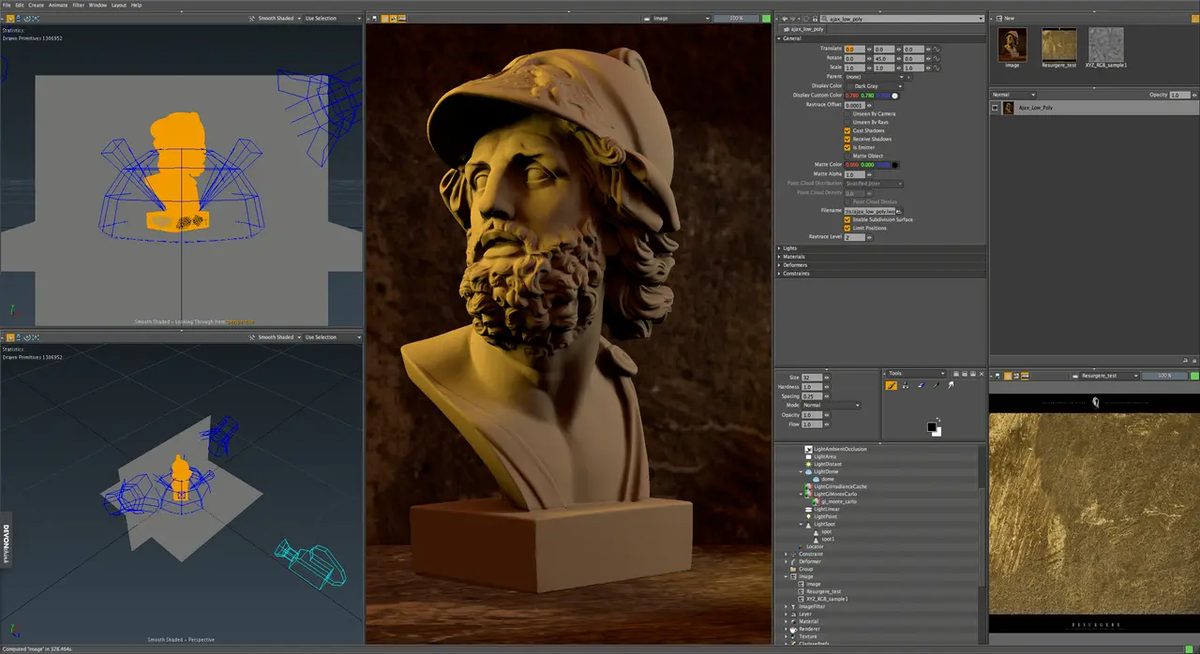
An interface is the bridge. It is the specific set of hardware and software mechanisms that let you talk to a machine. Without it, there is no link between human and computer. You see, an interface is simply what allows a user to interact with a computing system. In plain terms, it is the point of contact where your intent meets digital execution.
The Spectrum of Interaction
We encounter many different types of user interface in our daily lives, though we often ignore how they differ. There is the system interface, which lets you control the operating system itself. Then there is the command line interface, a text-based method where you type specific operations to get things done. You also have textual interfaces that display menus. These are all forms of human-machine interaction.
But the ones you actually use every single day are the graphical interface and the web interface. These dominate because they are familiar. They are the standard.
The Rise of the Graphical User Interface
Graphical interfaces didn’t just appear out of nowhere. They emerged in the late 1970s. By the 1990s, they had become the absolute standard for microcomputers. Today, they run everything from tablets and smartphones to ATM machines.
The core concept is simple. Physical objects are represented by pictograms or icons. You manipulate them using a pointing device. Usually, that is a mouse. On touchscreens, it is your finger. This shift from typing commands to clicking icons made computers accessible to people who weren’t programmers. It changed how we think about digital tools.
Navigating the Web
As the name suggests, a web interface is what allows you to navigate a website. When designed correctly, this navigation happens without friction. You shouldn’t have to fight the layout to find what you need.
A web interface is essentially an organization of graphical and textual elements. The goal is to make the site attractive and ergonomic. If the structure is bad, you leave. If it is good, you stay. It is about reducing cognitive load so you can focus on content rather than figuring out how to move forward.
From Text to Reality
Technology never stands still. This relentless evolution has pushed user interface design toward greater intuition and efficiency. We moved from raw lines of code to sophisticated graphical environments. Now, we are pushing further.
Augmented reality and virtual reality are no longer sci-fi concepts. They offer immersive experiences that fundamentally change how we interact with machines. Instead of looking at a screen, you are often in the environment. This shifts the interaction from manual manipulation to spatial awareness.
The Challenge of Wearables
Portable technologies like smartwatches and fitness bands forced designers to rethink everything. These devices have tiny screens. You cannot rely on complex menus or fine motor control.
Designing for this form factor requires a sharp focus on readability and accessibility. Interfaces had to adapt to subtle interactions. Gestural recognition became important. Voice control turned from a novelty into a necessity. The interface has to anticipate your needs because you can’t stare at it for long. It has to be quick, clear, and minimal.
What Comes Next
The future looks less like clicking and more like thinking. Artificial intelligence and machine learning are beginning to shape the next generation of interfaces. These systems can learn your preferences. They can adapt dynamically to improve your experience. The interface stops being a static tool and becomes a responsive partner.
Beyond that, researchers are exploring direct neural interfaces. Imagine communicating with computers directly through your brain. It sounds extreme. But if it works, it would open revolutionary perspectives in how we interface with technology.
We are still getting used to touchscreens. Voice assistants are still glitchy. Neural links are years away. Yet the trajectory is clear. We are moving toward interfaces that understand us rather than just obey us. How long until we forget what a keyboard feels like?