



Prentis is in talks to raise $100 million at a $1 billion valuation. The round is serious. The backing is heavier.
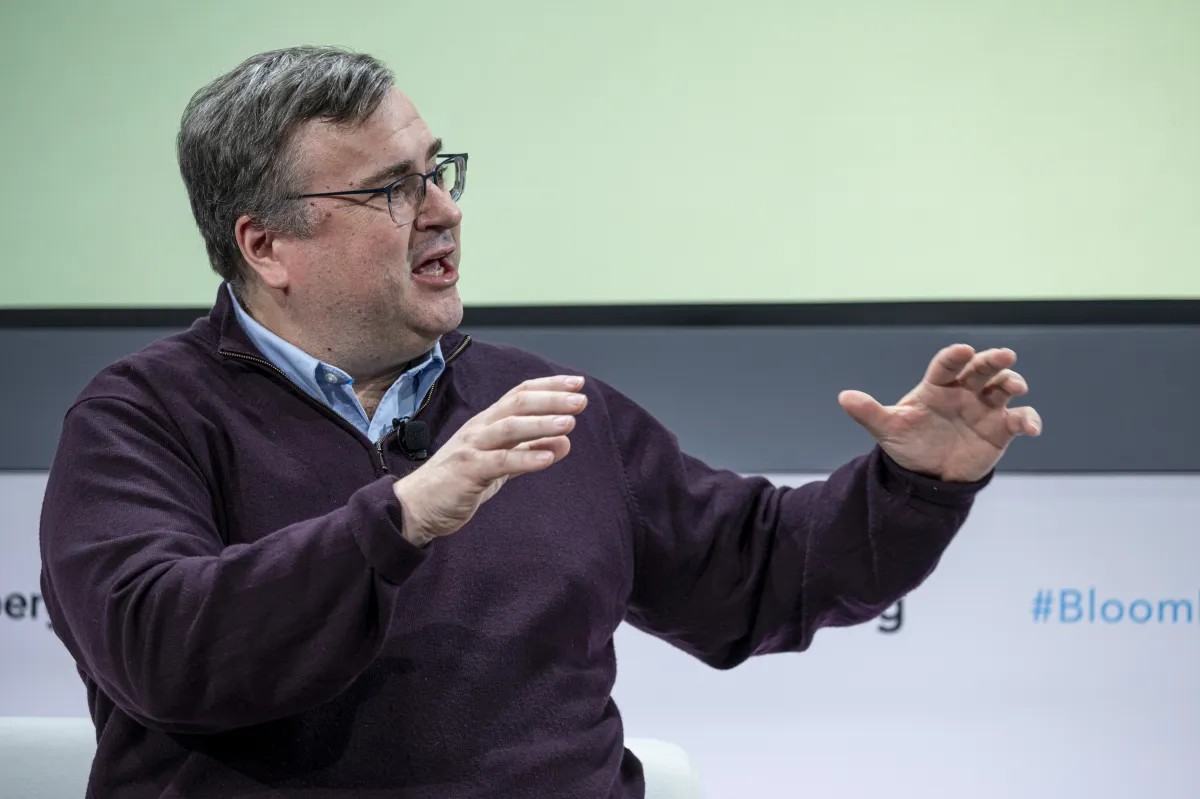
Reid Hoffman. Mark Pincus. They aren’t just throwing money at this. They are co-founders. Along with serial entrepreneur Ritankar Das. This isn’t your standard AI wrapper. It’s a new lab. Focused entirely on computer-use models.
Launched in April, Prentis has a singular goal. Train models to navigate the digital sprawl of modern offices. Think documents. Think disparate systems. Think the mundane friction of daily work. They want to build AI agents that don’t just chat. They act. They control computers.
Why Prentis bets on computer-use automation
Coding is flashy. It gets the headlines. But Prentis thinks the real money is elsewhere. They bet that automating everyday office tasks will outpace code generation as AI’s biggest use case.
It sounds boring. That’s the point.
Imagine an agent handling insurance claims. No human hunting through folders. Imagine it processing customs duty refund exceptions automatically. No spreadsheets. No phone calls. Just the agent moving the mouse and clicking the right button.
Prentis says it’s already selling this future.
Contracts signed. Up to $50 million worth. Customers include a healthcare management organization, manufacturers, and clothing brands. These aren’t vaporware promises. The pitch deck predicts a $75 million annualized run rate by Q3. There is a catch. The figures are estimated annualized values based on fees tied to savings. Performance-dependent. Subject to execution. But the pipeline is real.
Which AI models perform better for Windows tasks?
Here is where Prentis gets controversial.
They claim their Hive-32B model beats the big guns. Specifically, it outperforms OpenAI’s GPT-4 and Anthropic’s Claude models on computer-use benchmarks. Note the specific metrics. WindowsAgentArena. It measures end-to-end task completion in real Windows apps. ScreenSpot-v2. It tests the model’s ability to find the right control on screen.
Why does Prentis think it wins?
Size matters. But cost matters more.
Prentis argues that smaller is better. Cheaper is better. Their model is roughly 10 times lower in cost per task compared to frontier APIs. Deploying a massive model for every minor office task is inefficient. Prentis offers a lean alternative.
TechCrunch hasn’t independently verified these benchmark results. But the math appeals to CFOs. You can automate more for less.
The crowded race for AI agents
The market is not empty.
Anthropic is here. OpenAI is here. Mira Murati’s Thinking Machines Lab is here. Everyone wants to build agents that can use a computer. Anthropic is aggressive. They bought Seattle-based startup Vercept earlier this year. Folded in the founders. Shuttered the product. Talent acquisition via purchase.
Prentis didn’t respond to requests for comment. They let the funding round speak for itself.
Who is Ritankar Das?
Meet the CEO.
Ritankar Das. Age 31. He didn’t follow the typical Silicon Valley script. UC Berkeley’s youngest University Medalist. Graduated at 18. Double major in bioengineering and chemical biology. Oxford master’s in biomedical engineering.
Then he dropped out.
He left an AI PhD program at Cambridge. He was a Gates Cambridge Scholar there. Most people stay. Das founded Titan in 2014. An intentional throwback to the Berkshire Hathaway model. A holding company. Funded by its own exits. No outside limited partners.
Titan has been busy.
- Tala Health: AI virtual care. Raised $100 million seed round.
- Forta Health: Autism care startup. Raised $55 million in 2024.
- Dascena: Disease prediction company. Acquired by CirrusDx in 2202.
Prentis fits the pattern. A side project? Sort of. For the other co-founders, yes.
Hoffman is stepping down from Microsoft’s board. He wants to go “founder mode.” He’s backing Manas AI. He co-founded Inflection AI before Microsoft absorbed the team. He’s been everywhere.
Pincus? Zynga founder. Runs Reinvent Capital. Hoffman is a senior adviser. Pincus also just published a memoir. Life at the Speed of Play.
Prentis raises questions. Can a specialized lab beat the generalist giants? Can smaller models really win the desktop? The funding suggests they think so. The contracts suggest they have customers who agree.
The rest is just waiting for the agents to actually work.


