Netflix didn’t just buy a script. It bought an engine.
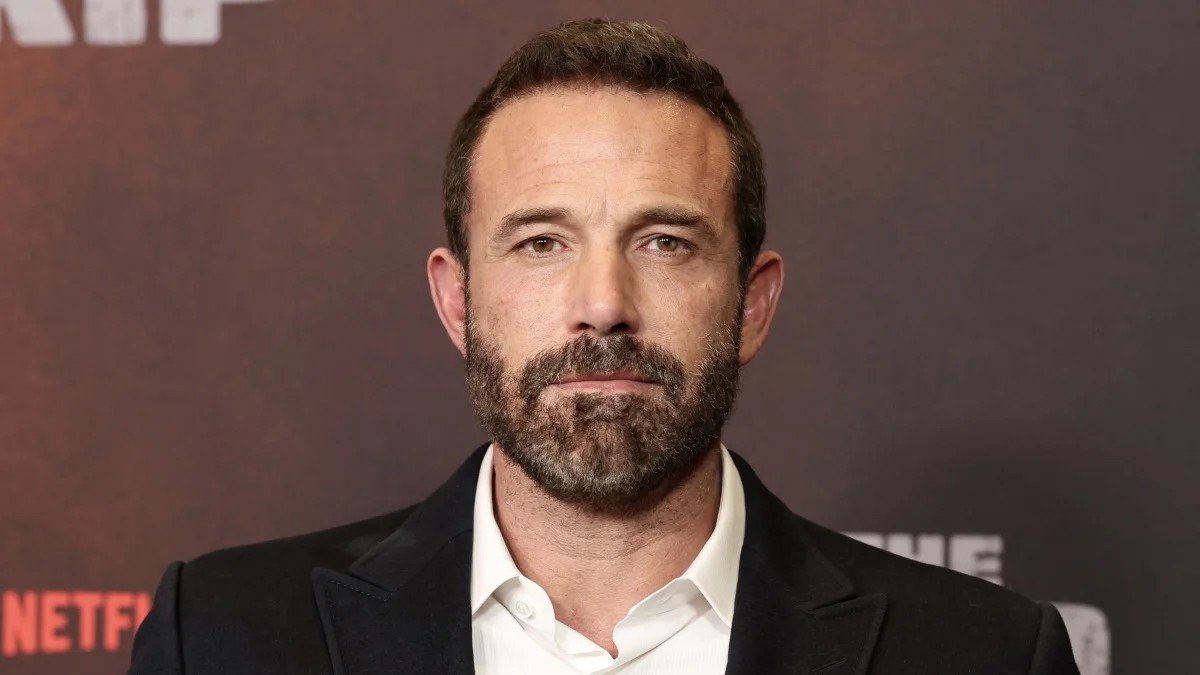
The tech giant dropped $587 million for Ben Affleck’s artificial intelligence startup, InterPositive.
That is more than half a billion dollars.
It sounds like a lot for software, until you realize what InterPositive actually does.
Affleck founded the company in 2022.
He saw a gap.
“As a filmmaker, I could see how [current] models came up short.” — Ben Affleck
The early versions of generative AI were useless for pros. They lacked nuance. They broke continuity. They felt soulless.
So Affleck built something else.
Netflix acquired the tech in March for cash. The move was confirmed via a 10-Q filing with the Securities and Exchange Commission. Variety spotted it. The document lists a significant outlay but keeps the buyer’s target vague.
Bloomberg noted the deal size hovered around $600 million.
That is a steep price tag.
Why?
Because Netflix is trying to solve its oldest creative headache.
It wants to keep humans at the center while letting machines do the heavy lifting.
What InterPositive Actually Does
Stop imagining Skynet.
InterPositive does not generate images from text prompts.
“InterPositive was ‘not about text prompting or generating something in from nothing.'”
Instead, the system learns from specific films.
It builds a model unique to a movie in post-production.
Think color grading. Audio mixing. Continuity checks.
These are the boring, expensive parts of making a movie.
VFX studios charge millions.
Reshoots cost even more.
InterPositive aims to fix both.
The tech allows editors and sound designers to focus on performance instead of pixels.
It processes existing footage to enhance, not invent.
It respects the art.
That is why Netflix called the move “investing in creator-led innovation.”
They are betting that AI can save money without stealing credit.
The Numbers Behind the Magic
The real story is in the patents.
A 2024 application filed by Affleck outlines the potential savings.
The numbers are staggering.
InterPositive technology yields “substantial” savings for film producers.
How substantial?
Consider these figures:
- 20% reduction in total production schedules
- 50% drop in VFX costs
- Elimination of costs for background artists
- Savings on second unit shoots and splinter groups
- Massive reduction in reshoot expenses
Affleck’s vision was precise.
Use AI to replicate the look and sound of a set perfectly.
No more guessing in editing.
No more expensive pick-up shots because lighting didn’t match.
Just pure, cost-effective filmmaking.
Does that sound too good?
Maybe.
But $587 million says Netflix believes it works.
Why This Changes Things
Affleck is not just a celebrity investor here.
He is the architect.
He saw how generic tools failed artists.
Current AI generates average content.
It smoothes out edges. It removes friction. It creates mediocrity at scale.
InterPositive tries to preserve friction.
It uses AI to protect the qualities that make a story great.
Details.
Tone.
Intent.
By tying the tech directly to post-production workflows, InterPositive avoids the creative controversy swirling around text-to-video models.
It is a tool. Not a replacement.
This matters for indie filmmakers too.
Lower costs mean lower barriers to entry.
You no longer need a billion dollars to fix mistakes.
The machine does it.
The Open Question
Hollywood has resisted AI.
It has fought it in the streets. It has debated it in boardrooms.
Netflix is betting billions that the compromise already exists.
They are paying $587 million to see if Affleck was right.
That if you build tools specifically for human storytellers, AI stops being a threat.
And becomes a partner.
It will take time to know if that partnership pays off.
The first films using this tech have yet to land in theaters.
Until then, the market waits.