



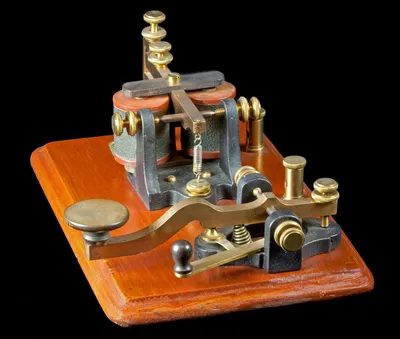
Samuel Morse didn’t just invent telegraphy. He built the first global language for machines. But here is the catch. It wasn’t perfect. Not even close. The original code he drafted in the 1830s worked fine for English. It failed everywhere else.
Why the original Morse Code failed outside the US
Morse and his partner Alfred Lewis Vail built a system based on dots and dashes. Electrical pulses. Flashing lights. It was brilliant. Until you tried to send a letter with an accent.
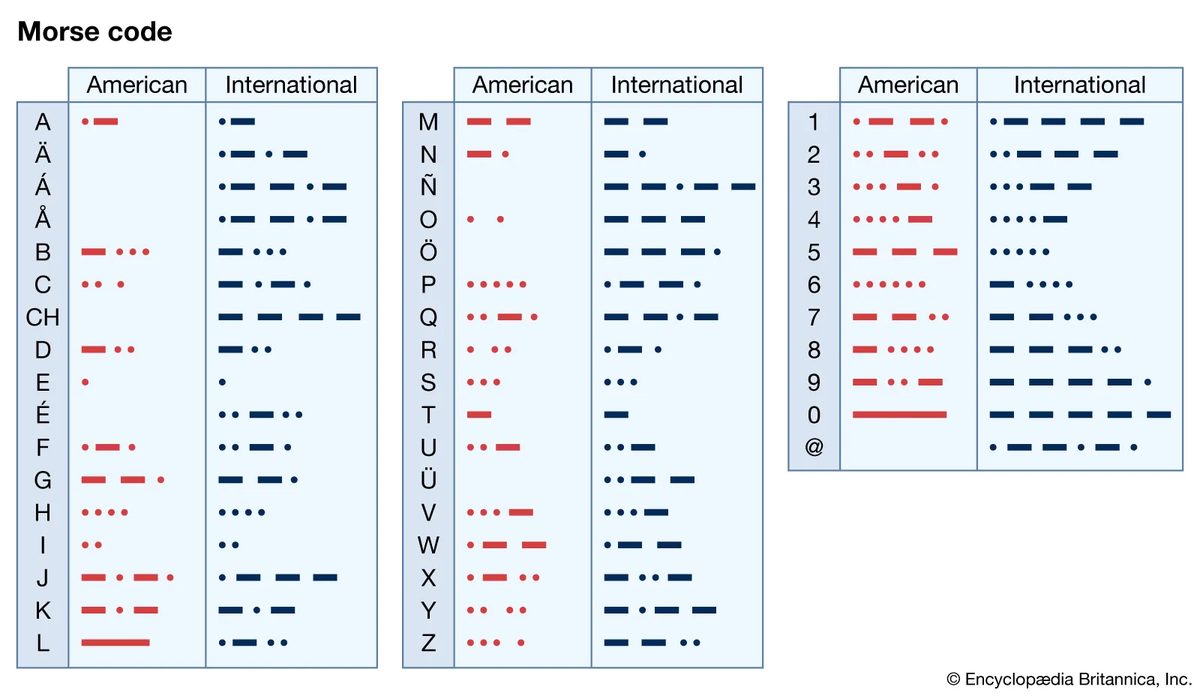
The original American Morse Code had no slots for diacritical marks. No é. No ñ. No ü. If you were writing in French, Spanish, or German, the code broke. You couldn’t transmit those characters. The system was fundamentally incomplete for non-English text.
What is International Morse Code and how does it work
European nations saw the problem immediately. They didn’t just patch it. They rebuilt it. In 1851, a conference of European powers devised a new standard. They called it International Morse Code. Sometimes you will see it called Continental Morse Code.
This isn’t just a minor tweak. It is a complete reimagining of how signals map to letters. The goal was simple. Make telegraphy work across borders. If a message could travel from London to Berlin without losing meaning, the system succeeded.
The shift from American to International Morse Code wasn’t about speed. It was about inclusion.
Which Morse Code should you learn today
If you are learning Morse Code now, forget the original American version. It is a historical curiosity. International Morse Code is the standard. It is what you will find in manuals, apps, and emergency training.
The dots and dashes are slightly different. The timing is stricter. But the result is universal. Whether you are using a radio, a flashing light, or an electrical pulse, the code remains the same. It bridges the gap between languages that once couldn’t speak to each other.
Does it matter if you use the 1830s version? Only if you are restoring a historic telegraph machine. For everything else, the international standard wins. It handles the complexity of modern alphabets. It works where the original failed.
We still use this system in aviation. In maritime distress signals. Even in some niche software protocols. It survives because it is robust. Not because it was the first. But because it was fixed.
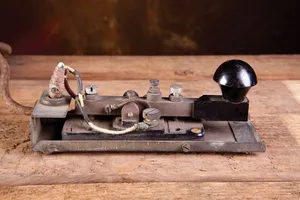


Why International Morse Code Won Over the Original
The two systems look alike on the surface. Underneath, they are worlds apart. International Morse Code is simpler. It is also far more precise. The original system had a messy habit of using just dots and spaces to represent certain letters. That created ambiguity. International Morse fixed this by assigning every single letter a unique combination of dots and short dashes. No gaps in the logic.
Then there is the timing. The original Morse Code relied on variable dash lengths. That made decoding a guessing game depending on how fast the operator tapped. International Morse Code standardized this. Dashes are now constant in length. This consistency matters. It reduces errors. It speeds up transmission. For everyday users interested in radio hobbyism or historical tech, understanding this shift explains why the international standard became the global norm. It wasn’t just an upgrade. It was a necessary correction.

The military and maritime reliance on Morse code
It stuck. Mostly.
Since the beginning, International Morse Code has stayed the same, barring a few tweaks in 1938. The American telegraph industry kept the original version alive a bit longer, but teleprinters killed that off in the 1920s and 30s.
Then came the wars.
WWII relied on it. The Korean War used it. Vietnam too. It wasn’t just a niche hobby. It was the backbone of global shipping safety for decades. Ships talked to shore, and shore talked back, in dots and dashes, right up until the early 1990s.
Amateur radio operators? They were the training ground.
Amateur radio made up only a small part of Morse Code usage, but it prepared hundreds of operators for military duty in communications.
When the war drums beat, those hobbyists were already fluent. The military didn’t have to teach them from scratch. They just needed to know which side they were fighting for.
Then came the shift.
By the early 2000s, the requirement vanished. Most countries stopped making you decipher Morse Code to get an amateur radio license. The gatekeeper opened up. No more mandatory CW exams.
So why did it last so long?
Reliability. Simple hardware works when complex systems fail. A battery and a wire beat a fiber optic line in a trench.
But the era of mandatory knowledge is over. The skill lives on, mostly among those who choose to keep it alive.


